
Web design is the most in-demand digital careers in 2025 and it is necessary to know how to become web designer. From small businesses to global brands,everyone needs a website and ofcourse they need someone skilled and creative to build it. Because of this demand many people are searching for how to become web designer and how to enter this amazing field without spending years in school or thousands of dollars.
This guide will walk you step-by-step through exactly how to become web designer even if you have no experience. You will learn skills to master, tools to use, mistakes to avoid, how to build your portfolio and even how to get your first client.
What Does Web Designer Do ?
Before you learn how to become web designer, it is important to understand what the job really involves.
A web designer is responsible for :
1. Designing layouts, color schemes, fonts, and graphics
2. Ensuring website is user-friendly and visually appealing
3. Working closely with developers
4. Designing mobile-friendly (responsive) layouts
5. Understanding basic front-end elements
6. Improving website usability and flow
7. Creating wireframes, prototypes, and mockups
Step 1 : Learn The Foundations Of Web Design
Every journey on how to become web designer starts with learning the basics. These are the core fundamentals every designer needs to understand.
1.1 Learn Design Principles
- Color theory
- Typography
- Spacing and Layout
- Visual hierarchy
- Balance and alignment
- Contrast and readability
1.2: Learn UI/UX Basics
- User journeys
- User experience flows
- Wireframing
- User-centric designs
- Interactive designs
- Accessibilites(A11y)
Strong UX skills make your designs more effective and more valuable to clients.
Step 2: Master The Essential Web Design Tools
Tools are the pivot to learning how to become web designer and the good news is many are free or affordable.
2.1: Graphics and Interface Design Tools
- Figma – choice for web designers
- Adobe XD – UI/UX tool
- Sketch – Mac-only design app
- Canva – great for beginners
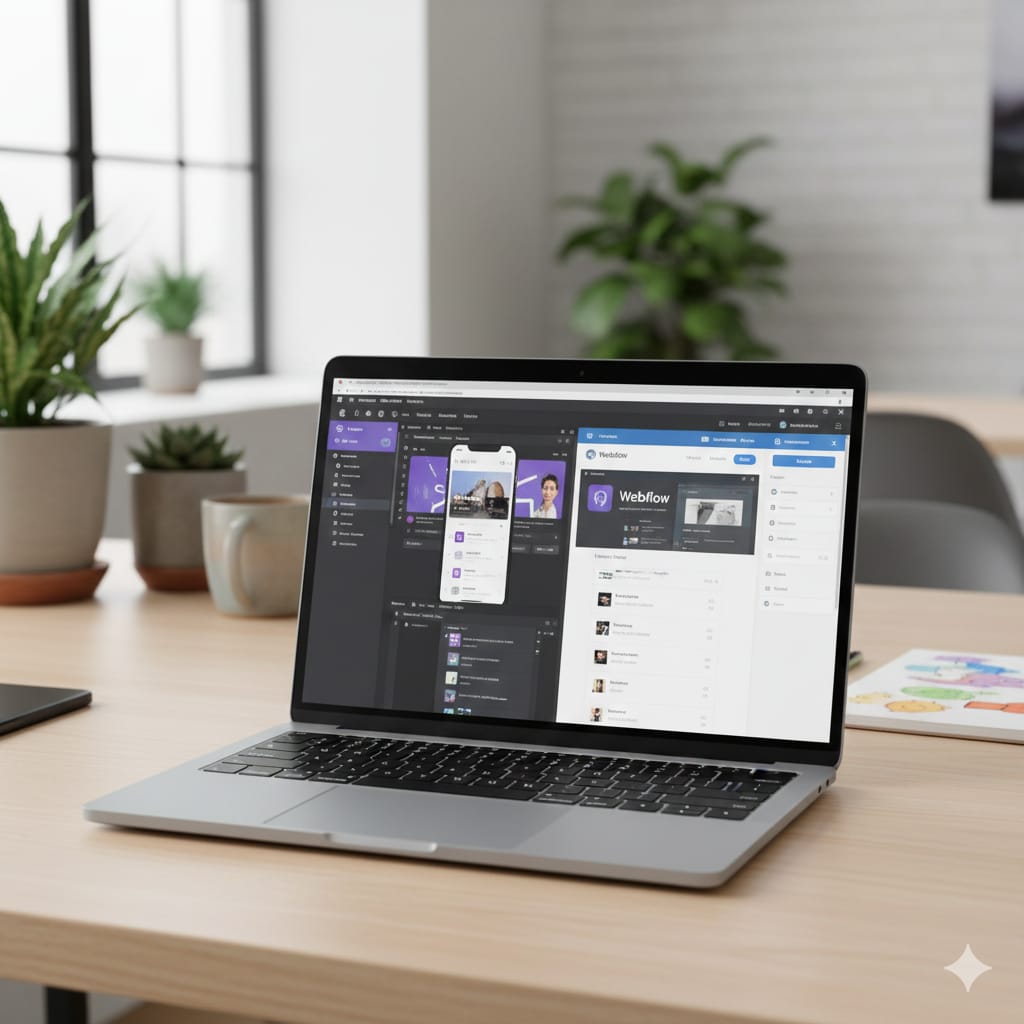
2.2: Website Builders (No code needed)
- WordPress(Elementor, Divi)
- Webflow
- Wix Studio
- Squarespace
Knowing this will help you get clients faster. Webflow is one of the fastest growing no-code tools for professional web designers.
2.3 Optional: Learn Basic Front-End Code
- Html
- CSS
- Basic javaScript
This is not required but learning the basics will make you much better at your job. Even a small understanding will make you communicate with developers and designers.
Step 3: Practice by Designing Real Websites
Once you master the basics and tools, the next step on how to become web designer is practice.
Here are beginner-friendly practice ideas:
3.1: Redesign Existing Websites
Choose old outdated or poorly designed website and redesign them. Some good options are:
1. Local restaurants
2. Small online stores
3. Schools
4. Nonprofits
3.2: Create Fake Client Projects
- A personal trainer
- A real estate agent
- A photographer
- A clothing store
- A travel agency
3.3: Follow UI/UX challenges
- 50 days UI challenge
- Dribble weekly challenge
- Behance creative challenges
This help you build creativity and consistency.
Step 4: Build A Professional Web Design Portfolio
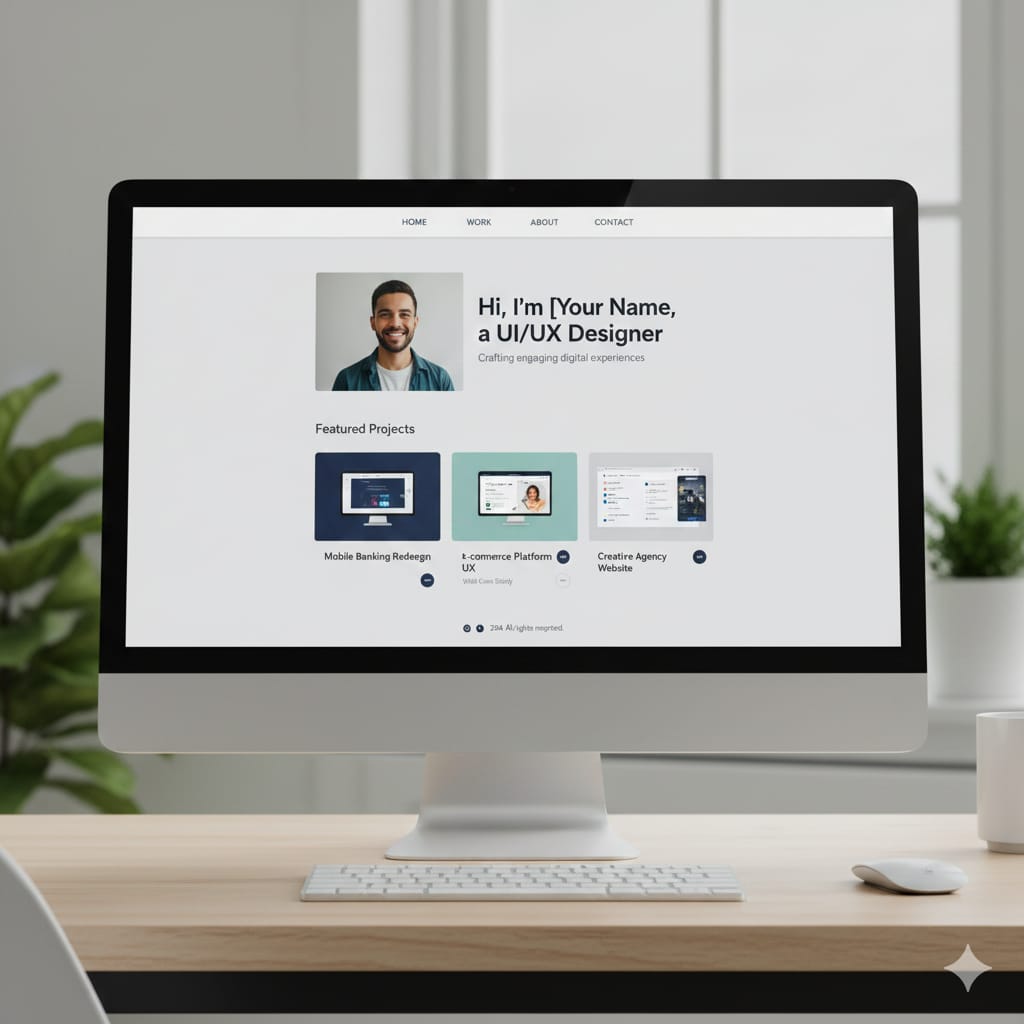
Your portfolio will determine whether you you will get clients or job. Portfolio is one of the essential part of how to become web design
What to Include in your Portfolio
- Your best 4-5 web design projects
- Website redesigns
- Prototypes and wireframes
- Final design mockups
- Case studies that explains your process
Create a Portfolio Website Using:
- Webflow
- WordPress
- Wix
- Squarespace
Your Portfolio should show:
1. Who you are
2. What you do
3. Your design style
4. Your Process
5. Contact info
Step 5: Learn The Business Side of Web Design
Understanding how to get paid is part of learning how to become web designer.
5.1: Decide your Path
- A freelance web designer
- An in-house designer at a company
- A web designer at an agency
- A UI/UX designer
- A webflow/WordPress specialist
5.2: Find Your First Clients
Beginners often start with:
- Local businesses
- Non profits
- Student organizations
- Friends and family
- Freelancing platforms
Platforms to find work:
- Upwork
- Fiverr
- Freelancer
- Facebook business groups
5.3: Set Your Prices
Beginners: $200-$800 per website
Intermediate designers: $800-$2,500
Advanced designers: $3,000-$10,000+
Step 6: Stay Updated With Trends And Modern Design Standard
Staying updated is essential in learning how to become web designer long term, as web designs trend change constantly.
Popular Web Designs Trends in 2025
- AI assisted design
- Dark mode themes
- Minimalist layouts
- Accessible design
- 3D illustrations
- Motion UI
Best Resources to Learn Trends
- Dribbles
- Behance
- YouTube designers
- Figma community files
- Webflow showcase
Step 7: Improve Your Soft Skills
Technical skills helps a person design, butbsoft skills help succeed.
Web designers need:
- Communication skills
- Time management
- Creativity
- Problem-solving
- Basic marketing skills
- Understanding the client
Step 8: Create an Online Presence
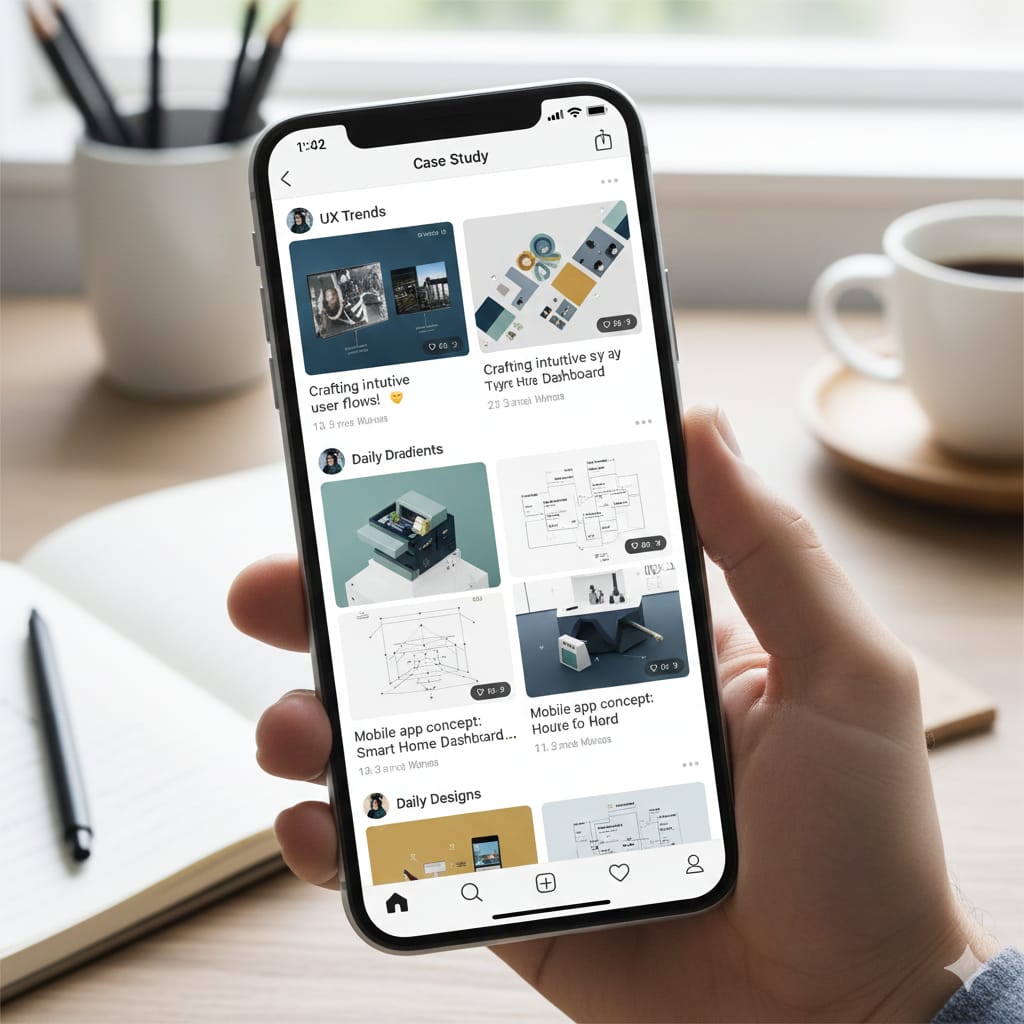
If you want client to consider you or take you seriously, you must show up online.
Ways to build a digital presence:
- Create a professional LinkedIn
- Post on social media like Instagram
- Share designs on Dribble and Behance
- Write blog post about web design
- Create YouTube or TikTok tutorials
Step 9: Build Real-World Experience
Experience is the final step in your journey of how to become web designer. You can start small:
- Volunteer Projects
- Internship
- Local businesses
- Personal projects
- Online challenges
Step 10: Keep Learning and Growing

Web designs constantly evolves with new tools, trends, and technologies. To stay competitive:
- Take courses(Udemy, Coursera)
- Join design communities
- Study UI/UX case studies
- Read design books
- Watch tutorials
Conclusion
Web design is one of the most rewarding careers in 2025. Creative, flexible, well-paid and full of opportunity. Whether you want freelancing career, a remote job or to start your own agency, it is the perfect time to begin.
Add a Comment