AI Coding tools

Best AI Coding Tools for Software Developers in 2026

AI is transforming software development faster than any other era in tech history, with the right AI Coding tools. Today’s developers don’t just write code-they collaborate with intelligent systems that help generate, test, debug, document and optimize code inreal time. The following guide dives deep imto the best AI coding tools available in 2026 that every software developer should know – whether you’re beginner, intermediate or seasoned engineer.

In this article you will learn:

  • What makes an effective AI coding tool
  • Detailed breakdowns and comparisons of the top platforms
  • How to choose the right tool for your workflow
  • Tips for maximizing productivity with AI assistance

What Are AI Coding Tools ?

AI coding tools are software applicationa powered by artificial intelligence that help developers automate or accelerate parts of the programming process. These tools can:

  • Autocomplete code and generate entire functions
  • Translate natural language prompts into working software
  • Detect bugs, security vulnerabilities and anti-patterns
  • Comment and document code automatically
  • Suggest architecture and test structures

These capabilities are enabled by advanced large language models(LLMs) and specialized machine learning techniques that understand programming languages, context and project structure. In 2026, AI-assisted development has moved beyond simple autocompletion to intelligent assistants that can actively assist throughout te software lifecycle.

Why Developers Should Adopt AI Coding Tools

Investing time in AI-enabled coding tools now is not just about convenience. It’s about strategic advantage:

  • Boost Productivity: AI tools can write bilerplate, suggest solutions and reduce repetitive tasks.
  • Improve Code Quality: Intelligent analysis finds logic errors and security ussues faster than manual review.
  • Faster Learning: Junior developers can use suggestions and explanations to understand complex code patterns.
  • Better Collaboration: AI can generate documentation and pull request summaries.

With widespread adoption by major tech companies, these tools are increasingly part of standard development workflows.

Top AI Coding Tools for Software Developers in 2026

These tools below are the most effective and widely used AI coding tools in professional development environments today.

1. GitHub Copilot

Best AI coding tool for real-time intelligent code suggestions

Overview:

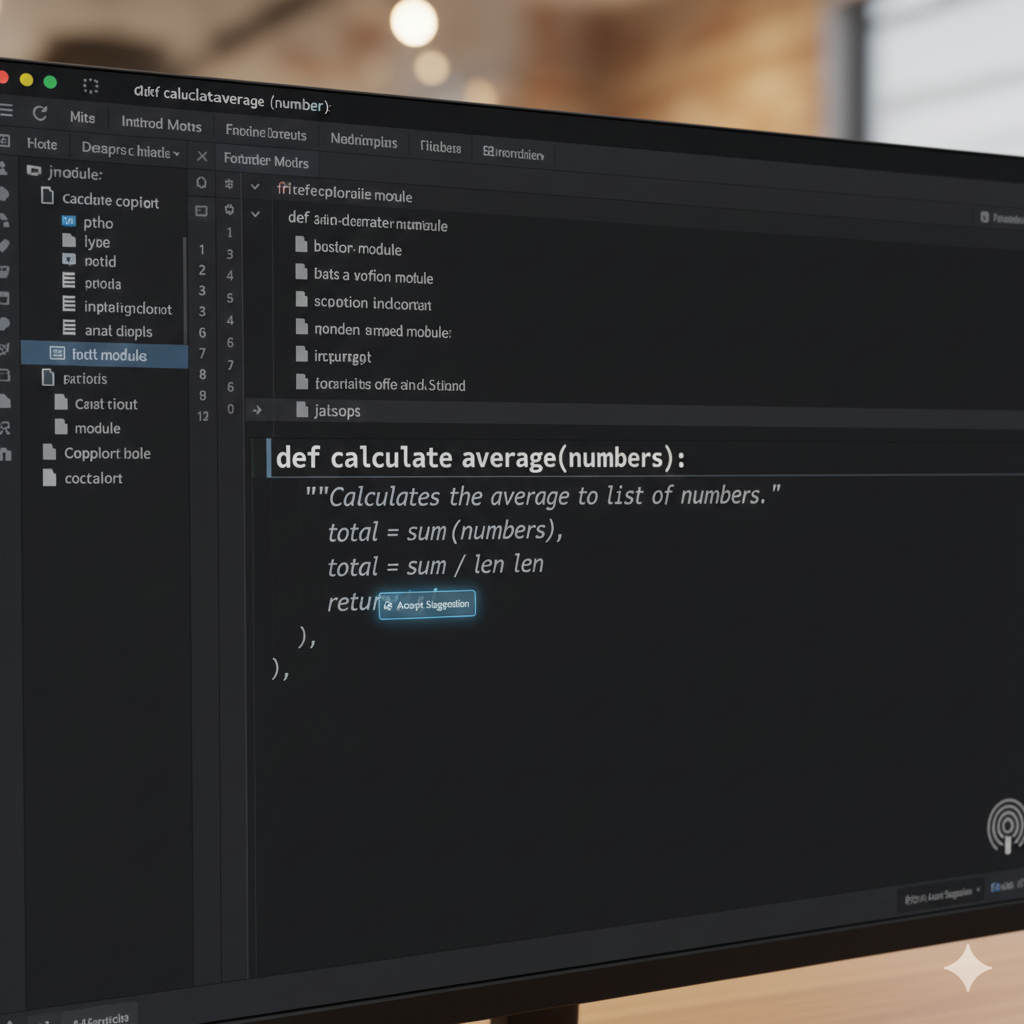
GitHub Copilot – developed by GitHub in partnership with OpenAI – remains one of the most popular and powerful AI coding tools available. Integrated directly into IDEs such as Visual Code, JetBrains editors and Neovim, Copilot offers context-aware code completion, rapid prototyping assistance and extensive language support.

Key Features:

  • Autocomplete code and entire functions
  • Generate unit tests and boilerplate code
  • Natural language comment interpretation
  • Support multiple languages (Python, JS, Go, Java)
AI Coding tools

Pros:

  • Seamless IDE integration
  • Backend and frontend coverage
  • Strong community adoption

Cons:

  • Subscription-based model

GitHub Copilot is ideal if you want a trusted, general-purpose AI assistant that helps you write better code faster.

2. Tabnine

Best for privacy-focused, customizable AI code generation.

Tabnine is another leading entry in the AI coding tools space that emphasizes data privacy and local customization. It can be trained on your own codebase, making it especially attractive for enterprise environments or proprietary projects.

Key Features:

  • Predictive and whole-line code completion
  • Support for 30+ languages
  • Local model deployment
  • Team training on internal codebases
AI Coding tools

Pros:

  • Strong focus on privacy
  • Custom training improves accuracy

Cons:

  • Requires configuration for maximum benefit

Tabnine is great for teams and individual developers who prioritize control over data and customization.

3. Replit Ghostwriter

Ideal cloud-based AI pair programmer.

Replit Ghostwriter integrates AI directly into the Replit cloud IDE, allowing developers to build, debug and prototype without local setup. It’s cloud-native nature makes it easy to collaborate and share work.

Key Features:

  • Code generation and real-time suggestions
  • Cross-browser accessibility
  • Collaborative workspace and shared coding
  • Bug detection and explanation support
AI Coding tools

Pros:

  • No local setup required
  • Works from any device
  • Great for education and learning

Cons:

  • Requires internet connection

Replit Ghostwriter shines for prototyping and remote collaboration.

4. Amazon CodeWhisperer

Best for AWS- centric and enterprise development.

Amazon CodeWhisperer is tailored to developers working within the AWS ecosystem. It helps generate code snippets aligned with AWS practices and detects potential security risks.

Key Features:

  • Connects with AWS SDKs and services
  • Productivity and compliance suggestions
  • Real-time recommendations
AI Coding tools

Pros:

  • AWS-centric automation
  • Integrated security insights

Cons:

  • Best value inside AWS-focused projects

Use CodeWhisperer if you ‘re building cloud application on AWS infrastructure.

5. Codeium

Free alternative to Copilot with broad language support.

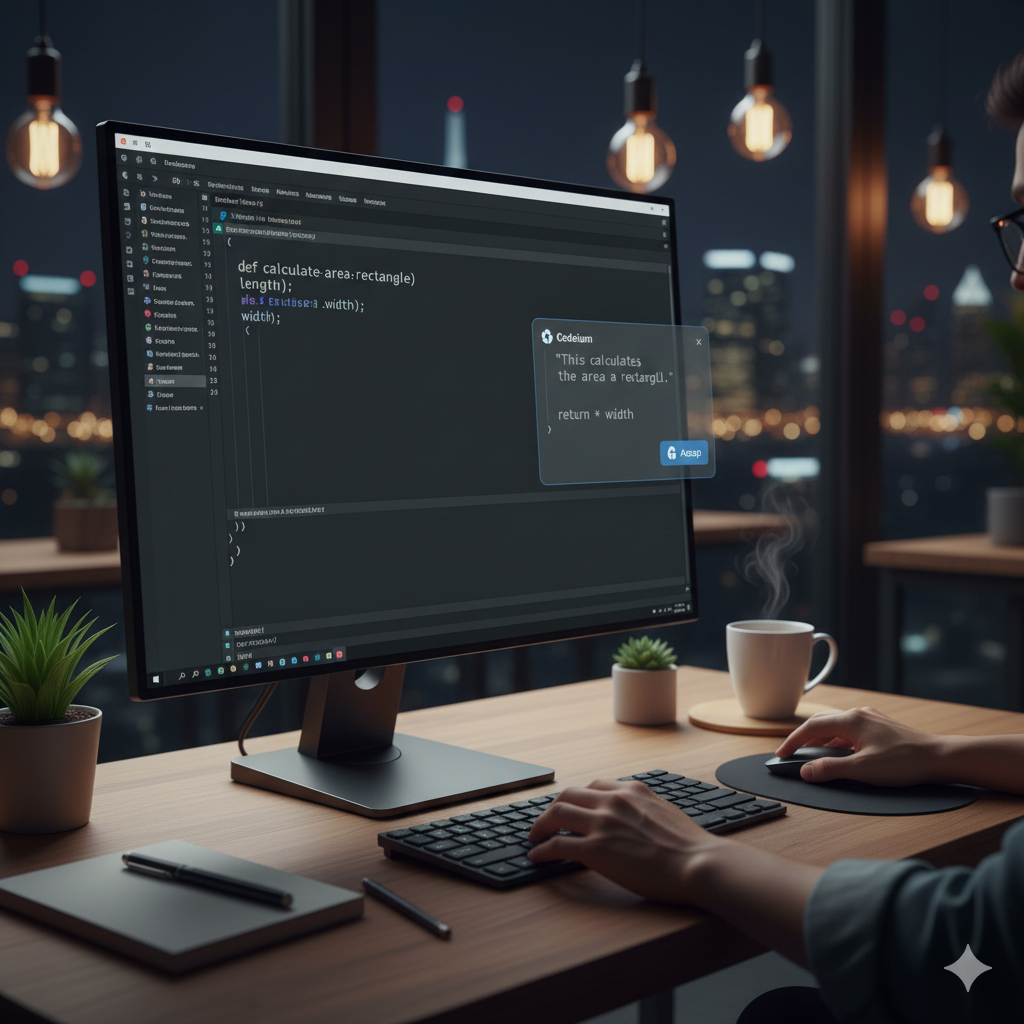
Codeium is a capable AI coding tool that offers autocomplete, chat assistance and code generation for free. It supports over 70 languages and various IDEs, making it especially useful for cost-aware developers.
AI Coding tools

Pros:

  • Free tier with generous features
  • Quick setup and responsive UI

Cons:

  • Sometimes less accurate than paid counterparts

Codeium is perfect for hobbyists, students and early-stage developers.

6. Cursor

AI-powered code editor for advanced workflows.

Cursor is an emerging tool that feels like a hybrid between a full IDE and an AI coding assistant. It provides deeper context handling, cross-file understanding and code reasoning that goes beyond line-by-line suggestions.

AI Coding tools

Pros:

  • Deep understanding of project structure
  • Excellent for refactoring and large projects

Cons:

  • Relatively new and evolving

Consider Cursor if you want more than basic autocomplete – especially for large or complex codebases.

7. Claude Code (Anthropic)

Agent-style AI coding assistant.

Anthropic’s Claude Code focuses on reasoning and deeper code analysis. It is available as a web app and CLI, making it a flexible tool for developers who need context-aware code generation and explanation.

AI Coding tools

Pros:

  • Clear reasoning focus
  • Suitable for complex tasks

Cons:

  • Web-based features may require subscription

Claude Code is useful for developers needing intelligent assistance on logic-heavy coding problems.

8. Google Antigravity IDE

Agent-driven integrated development environment.

Google Antigravity merges powerful AI models with an IDE experience, enabling developers to delegate complex tasks to AI agents powered by cutting-edge models like Gemini.

Pros:

  • Sophisticated AI collaboration
  • Built on Google’s Gemini ecosystem

Cons:

  • Stil in early preview stages

Antigravity appeals to developers seeking the most advanced integration of AI agents into daily workflows.

How to Choose the Best AI Coding Tools for You

Selecting the right AI coding tools depends on your goals and workflow:

1. Identify Your Use Case

  • Daily coding assistance: Copilot, Tabnine, Codeium
  • Cloud and enterprise: Amazon CodeWhisper, Antigravity
  • Learning and prototyping: Replit Ghostwriter

2. Evaluate IDE Compatibility

Choose tools that integrate with your preferred development environment (VS Code, JetBrains, Vim, cloud IDEs).

3. Consider Data Privacy

If working on proprietary or sensitive code, prioritize tools that offer on-premises or local model options.

4. Balance Cost vs Value

Free tools may suffice for casual projects, but professional environments may benefit from premium offerings.

Tips to Maximize Productivity With AI Coding Tools

Leverage Prompt Best Practices

  • Write clear natural language prompts
  • Include context and examples

Use AI for Repetitive Tasks

  • Generate tests, boilerplate and documentation

Combine Tools Strategically

  • Use Copilot for autocomplete
  • Use AI debugging tools for error analysis

Review AI-Generated Code Carefully

AI helps accelerate tasks but should not replace human review – always check logic and security implications.

Future Trends in AI Coding Tools

In 2026 and beyond, expect:

  • Intelligent AI agents that handle entire features or workflows
  • Deeper integration with version control and CI/CD
  • Context-aware coding assistants that learn team patterns

These advancements mark a shift from simple suggestions toward AI partner systems that transform development fundamentally.

Conclusion

The best AI coding tools in 2026 provide developers with unmatched assistance in writing, debugging and optimizing software. Whether you’re just starting or building complex systems at scale, there’s a tool tailored to your needs – from GitHub Copilot’s robust autocomplete, to Cursor’s advanced context understanding, to Amazon’s cloud-optimized recommendations.

Adopt the right tools and workflows today and you’ll gain not just speed. but also clarity, efficiency and confidence in your code.


top tech skills

Top Tech Skills to Learn for a High-Paying Job in 2025 and Beyond

The technology industry continues to reshape how the world works, communicates and earns money with top tech skills. As businesses accelerate digital transformation, professionals with the top tech skills are enjoying unprecedented demand, job security and high salaries. Whether you are a student, a working professional looking to switch careers, or an entrepreneur aiming to future-proof your expertise, learning the right technical skills can open doors to six-figure incomes and global opportunities.

In this comprehensive guide, we will explore the top tech skills to learn for a high-paying job, explain why they matter, how much you can earn and how to get started. This article is carefully optimized for search engines and readers alike, making it one of the most valuable resources on this topic.

Why Learning Top Tech Skills Is Crticial Today

The global job market has changed dramatically. Automation, artificial intelligence, cloud computing and cybersecurity threats are transforming traditional roles. Companies are no longer just hiring degrees – they are hiring skills.

Here’s why mastering top tech skills is essential:

  • Tech jobs pay 30-100% more than non-tech roles
  • Remote work opportunities are abundant
  • Demand far exceeds supply for skilled professionals
  • Skills are transferable across industries
  • Many roles don’t require a formal computer science degree

With that foundation , let’s explore the most valuable and high-paying tech skills you can learn right now.

top tech skills

1. Artificial Intelligence (AI) and Machine Learning (ML)

Artificial Intelligence and Machine Learning sit at the top of the tech hierarchy. These technologies power recommendation systems, self-driving cars, voice assistants, fraud detection and predictive analytics

Why AI & ML Are High-Paying

Companies rely on AI to automate processes, improve decision-making and gain a competitive edge. Skilled AI professionals are scarce, which drives salaries upward.

Key Skills to Learn

  • Python, R
  • TensorFlow, PyTorch
  • Neural Networks
  • Natural Language Processing (NLP)
  • Computer Vision

πŸ’°Average Salary

$120,000 – $180,000 per year

Who Shoud Learn This?

  • Software developers
  • Data professionals
  • Engineers
  • Anyone interested in cutting-edge innovation

2. Data Science and Data Analytics

Data is the new oil. Organizations collect massive amounts of data, but without professionals who can analyze and interpret it, data is useless. This is why data science is one of the top tech skills in demand today.

Why Data Science Matters

Businesses use data to:

  • Predict customer behavior
  • Optimize marketing strategies
  • Reduce operational costs
  • Improve products and services

Tools and Technologies

  • Python, SQL, R
  • Power BI, Tableau
  • Excel (advanced)
  • Statistcis and probability

πŸ’°Average Salary

$100,000 – $ 150,000 per year

top tech skills

3. Cloud Computing (AWS, Azure, Google Cloud)

Cloud computing has revolutionized how businesses deploy, manage and scale applications. Almost every major company relies on cloud infrastructure, making cloud skills essential and highly lucrative.

Why Cloud Skills Pay Well

  • Companies migrate from on-premise to cloud
  • Cloud reduces osts and increases scalability
  • Certified cloud professionals are trusted and in demand

Popular Cloud Platforms

  • Amazon Web Services (AWS)
  • Microsoft Azure
  • Google Cloud Platform (GCP)

Roles You Can Get

  • Cloud Engineer
  • Cloud Architect
  • DecOps Engineer

πŸ’°Average Salary

$110,000 – $170,000 per year

4. Cybersecurity

As technology grows, so do cyber threats. Cybersecurity professionals protect sensitive data, systems and networks from attacks, making this one of the most mission-critical and top tech skills globally.

Why Cybersecurity is Essential

  • Increase in ransomware and hacking
  • Strict data protection laws
  • Massive financial losses due to breaches

Key Areas to Learn

  • Network security
  • Ethical hacking
  • Penetration testing
  • Risk management
  • Security compliance

πŸ’° Average Salary

$105,000 – $160,000 per year

top tech skills

5. Software Development and Programming

Software Development remains the backbone of the tech industry. Skilled developers are needed to build applications, websites, systems and platforms.

In-Demand Programming Languages

  • Python
  • JavaScript
  • Java
  • C++
  • Go

Specializations

  • Web development
  • Mobile app development
  • Backend systems
  • APIs and microservices

πŸ’° Average Salary

$90,000 -$150,000 per year

6. DevOps and Automation

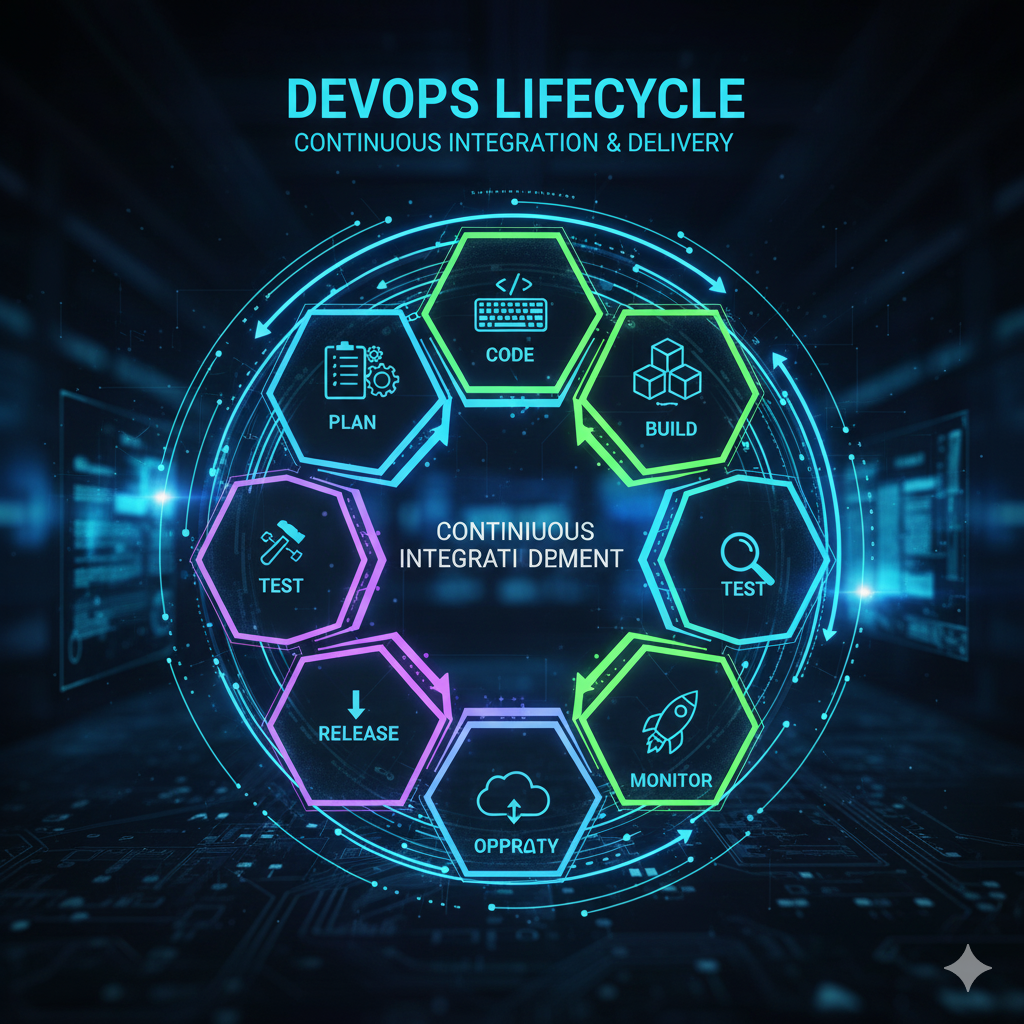
DevOps combines development and IT operations to shorten development cycles and improve deployment efficiency.

Why DevOps Is a top Tech Skill

  • Faster product releases
  • Reduced system downtime
  • Automation improves productivity

Tools to Learn

  • Docker
  • Kubernetes
  • Jenkins
  • Git
  • CI/CD pipelines

πŸ’° Average Salary

$115,000 – $170,000 per year

top tech skills

7. Blockchain Technology

Blockchain is not just about cryptocurrency. It is transforming finance, supply chains, healthcare and identity management.

Why Blockchain Skills Pay Well

  • High technical complexity
  • Limited skilled professionals
  • Growing enterprise adoption

What to learn

  • Smart contracts
  • Solidity
  • Ethereum
  • Decentralized applications (dApps)

πŸ’° Average Salary

$120,000 – $180,000 per year

8. UI/UX Design

Technology must be user-friendly. UI/UX designers ensure digital products are intuitive, accessible and engaging.

Why UI/UX Is Valuable

  • Improves customer satisfaction
  • Increases conversion rates
  • Essential for product success

Tools to Master

  • Figma
  • Adobe XD
  • Sketch
  • User research techniques

πŸ’° Average Salary

$85,000 – $140,000 per year

top tech tools

9. Internet of Things (IoT)

IoT connects physical devices to the internet, enabling smart homes, healthcare monitoring and industrial and automation.

Why IoT is a growing Skill

  • Smart cities development
  • Industry 4.0
  • Healthcare innovation

Key Skills

  • Embedded systems
  • Sensors and hardware
  • Cloud integration
  • Data analytics

πŸ’° Average Salary

$100,000 – $150,000 per year

10. Digital Marketing Technology (MarTech)

Digital marketing is now driven by technology. Professionals who combine marketting with tech expertise earn significantly more.

Tools and Skills

  • SEO and analytics
  • Marketing automation tools
  • CRM platfroms
  • AI-driven marketing

πŸ’° Average Salary

$80,000 – $130,000 per year

top tech tools

How to Start Learning Top Tech Skills

You don’t need a traditional degree to succeed. Many professionals learn through:

  • Online courses and certifications
  • Bootcamps
  • Hands-on projects
  • Open-source contributions
  • Freelancing and internships

Consistency and real-world practice matter more than theory.

Conclusion: The Future Belongs to Skilled Technologists

Learning top tech skills is no longer optional, it is essential. The professionals who invest in high-demand technology skills today will secure high-paying jobs, remote freedom, and long-term career growth.

Whether you choose AI, cloud computing, cybersecurity or software development, the key is to start now and stay consistent. Technology evolves quickly, but skilled individuals will always be in demand.

If your goal is financial stability, professional growth and global opportunities, mastering the top tech skils outlined in this article is the smartest move you can make.

quantum computing

How Quantum Computing Could Change Everyday Computing By 2030

quantum computing

A New Era of Computing is Coming

For deacdes, before Quantum Computing, we have relied on classical computers to power every aspect of our daily lives – from smartphones and laptops to banking systems, healthcare platforms, entertainment and global communication. But as the world becomes more complex and data grows exponentially, our current computing system are beginning to reach their limits. This is where Quantum Computing steps in.

By 2030, experts predicts that Quantum Computing will transition from laboratory experiments to real world tools that influence everything from cybersecurity to healthcare to personal AI assistants. For the average person, this technological revolution might feel as transformative as the arrival of the internet or the smartphone.

In this article, we will explore how quantum computing could change everyday computing by 2030, the innovations it will unlock, and why this emerging technology might redefine your digital life sooner than you think.

What is Quantum Computing ?

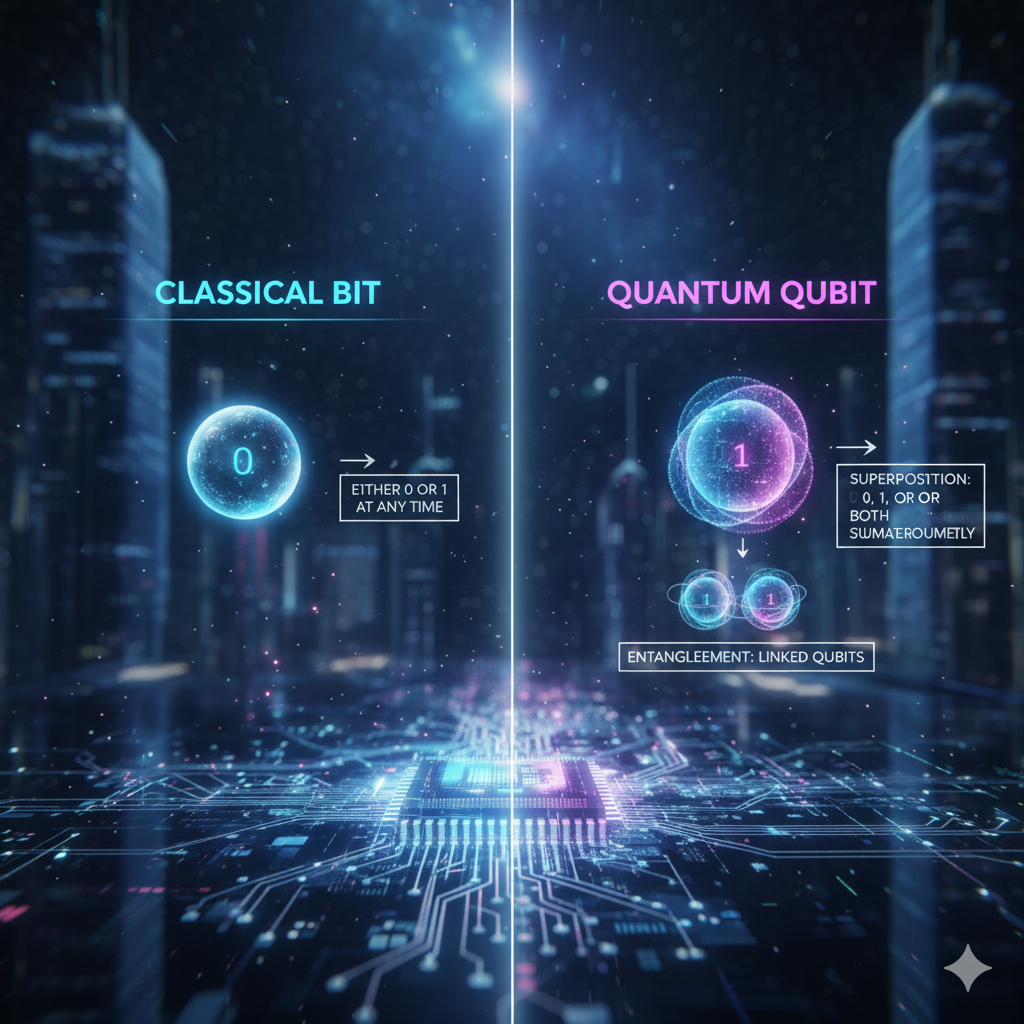
Classical computers use bits – 0s and 1s – to process information. This bits are fundamental building blocks of all digital tasks.

quantum computing


Quantum Computing, however uses qubits, which can exist as 0,1 or both simultaneously through quantum property called superposition. This means quantum computers can perform many calculations at once, massively boosting their problem solving power

Another key property, entaglement, allows qubits to be interconnected in ways impossible for classical bits, enabling quantum machines to solve highly complex problems that would take today’s fastest supercomputers thousands of years.

By 2030 , this power won’t just benefit scientist or tech giants, it will start to influence ordinary life.

1. Everyday Cybersecurity Will Become Quantum – safe

One of the first and most significant impacts of Quantum Computing will be in cybersecurity.

quantum computing

The Problem

Most digital security today that is banking apps, encrypted messages, Wi-Fi passwords relies on mathematical problems that classical computers cannot easily solve. However Quantum Computers could break this system once they mature.

The Quantum Safe – Future (2030 and beyond)

By 2030 we can expect:
● Quantum safe encryption for smartphones, apps and computers
● Upgraded banking and payment security systems
● New standards for government and corporate cybersecurity
● Quantum resistant VPNs and messaging serivices

2. Personal AI Assistants Will Become Faster and Smarter

quantum computing

By 2030, personal AI assistants – which is now much smarter than ChatGPT, Siri, or Google assistants – will rely heavily on the advancements made possibly by Quantum Computing.

Quantum machines can process vast datasets much more efficiently, enabling:

● More accurate predictions
● Real time language understanding beyond human capability
● Instantenous data processing for complex tasks
● Deep personalization that adapts to your routines and emotions

Example of Quantum – Powered AI in 2030

Imagine an assistant that:
● Plans your entire week dynamically
● Manages finances using real-time optimization
● Learn your habits and preferences instantly
● Detects potential problems before they occur
● Understand complex emotions and responds empathetically

Quantum enhanced AI could redefined the relationship people have with technology, making digital tools feel more like companions than machines.

3. Medicine and Healthcare will Become Hyper-Personalized

One of the most promising frontiers for Quantum Computing is medicine. By 2030, this technology may fundamentally shift how we diagnose illness, create treatments and analyze patient data.

quantum computing

Quantum Computing in Drug Discovery

Quantum Computers can Simulate molecules and chemical reactions with incredible accuracy, something classical computers struggle with. This could lead to:
● Faster discovery of new medicines
● Personalized drug treatments dailored to individual DNA
● Breakthroughs in cancer research
● Accurate simulations of how diseases spread

Everyday Impact

● Faster vaccines and treatments
● AI generated personal health recommendations
● Wearables that predicts health issues before symptoms appear
● More accurate medical diagnoses

With Quantum Computing, healthcare could shift from reactive to proactive potentially saving millions of lives.

4. Financial Systems will Become Smarter and More Stable

Banks, stock markets and financial institutions are investing billions into Quantum Computing research. By 2030, these investments will bring dramatic changes to everyday financial services.

quantum computing

Quantum enhanced financial tools may include:

● Real time fraud detection
● Perfect portfolio optimization
● More accurate economic forecasting
● Superfast transaction processing
● New risk management algorithms

What this means for you

● Fewer credit card issues
● More stable investment marketers
● Smarter robo-advisors
● Personalized savings plans based on quantum simulations
● Minimization of financial crashes with better modelling

Quantum Finance could make global economic systems safer, more transparent and dramatically more efficient.

5. Climate Change Modelling Will Become More Accurate

quantum computing

Climate science requires analyzing unimaginably large datasets, whether patterns, ecosystems, carbon cycles and environmental interactions. Even supercomputers struggle with these simulations.

By 2030, Quantum Computing could enable:
● Ultra-accurate climate forecasts
● Real-time analysis of environmental changes
● Better prediction of natural disasters
● Optimization of renewable energy systems

Everyday benefits

● Fewer blackout risks
● More efficient energy usage in homes
● Improved disaster preparedness
● Smarter city infrastructure powered by quantum-enhanced AI

Quantum Computing might become one of humanity’s strongest tools to combat climate change.

6. Transportation Will Become Efficient and Autonomous

quantum computing

Quantum-enhanced transportation by 2030

● Fully optimized traffic flow in smart cities
● Better self-driving car decision-making
● Real-time logistics optimization for deliveries
● Faster and safer air travel
● Reduced fuel consumption through quantum simulations

Quantum Computing can manage huge datasets from sensors, satellites, maps and vehicles allowing machines to make decisions with incredible precision.

Real- life example

Your car could calculate the safest, fastest route instantly using millions of variables – traffic, weather, energy consumption and more – processed in a quantum optimized model.

7. Personalized Learning Will Transform Education

By 2030, students may interact with learning platforms powered by quantum-enhanced AI.

quantum computing

What this means

● Instant assessment of student strengths and weaknesses
● Tailored courses based on learning style
● Real-time feedback
● Acuurate career guidance based on the future job predictions

Quantum powered education systems could create a world where every learner receives a personalized path.

8. Gaming, Entertainment and Creativity Will Evolve

quantum computing

Quantum Computing will bring breakthroughs in:
● Hyper-realistic physics simulations
● True procedural generation of worlds
● Smarter non-playable characters (NPCs)
● Real-time rendering far beyond today’s GPUs

What it means for gamers

Imagine games where:
● Entire universe are simulated instantly
● AI characters evolve naturally
● Game outcomes adapt to your personality
● Physics interactions feel like the real world

Entertainment will become more immersive, creative and dynamic than ever before.

Challenges ahead before 2030

While the potential is enormous, there are hurdles:
● Quantum machines require extremely low temperatures
● Error rates are still high
● Qubit stability remains difficult
● Quantum sofware is still evolving
● Skilled workers are scarce

By 2030, we may not have fully mature quantum computers, but hybrid systems.

Conclusion

By 2030, Quantum Computing may not replace classical computers in homes or offices, but it will influence nearly every part of daily life. It will power the systems behind the apps, machines and online services we use every day.

Just as most people don’t understand how could servers or GPUs work today, many won’t understand the complexities of qubits or superposition. But they’ll feel the impact through smarter technology safer digital experiences and faster solutions to humanity’s biggest challenges.

The quantum revolution is coming. And when it arrives, everyday computing will never be the same again.

must have tech tools

5 must have Tech Tools for Students 2025(Ultimate Guide)

As we step deeper into 2025, top must have tech tools is essential in student life. The position of technology in student lifestyles has turn out to be extra vital than ever. Whether attending high school, university, or online learning programs, college students rely on digital tools to stay organized, enhance productiveness, complete assignments, and adapt to the fast-paced academic environments.

The current image has no alternative text. The file name is: must-have-tech-tools.jpg

But with such a lot of apps, devices, and platforms available today, it could be difficult to figure out which ones absolutely make a difference. That’s why we’ve compiled the top 5 must have tech tools for students 2025β€”the tools that simply improve learning, sharpen productivity, and help students thrive academically in the modern digital era.

1. AI Learning Assistants(Chat-Based Study Tools)

AI learning assistants continue to dominate as one of the top must have tech tools for students in 2025.With tools like ChatGPT, Gemini, and specialized study AI platforms, students can instantly access explanations, summaries, research steerage, and personalised help around the clock.

Why Students Need This Tool

1.Provide 24/7 home assistance
2.Breaks down complex topics into simpler explanations
3.Help generate outline,study guides and notes
4.Support students who struggle with writting
5.Make research faster and more efficient
6.Offers interactive tutorials accros all subjects

AI assitants have become essential because they tailor learning to each students pace. Whether preparing for exams, writting essays or solving equations , AI tools help reduce stress and make academic tasks easier.

2. Digital Notetaking and Organization Workspaces

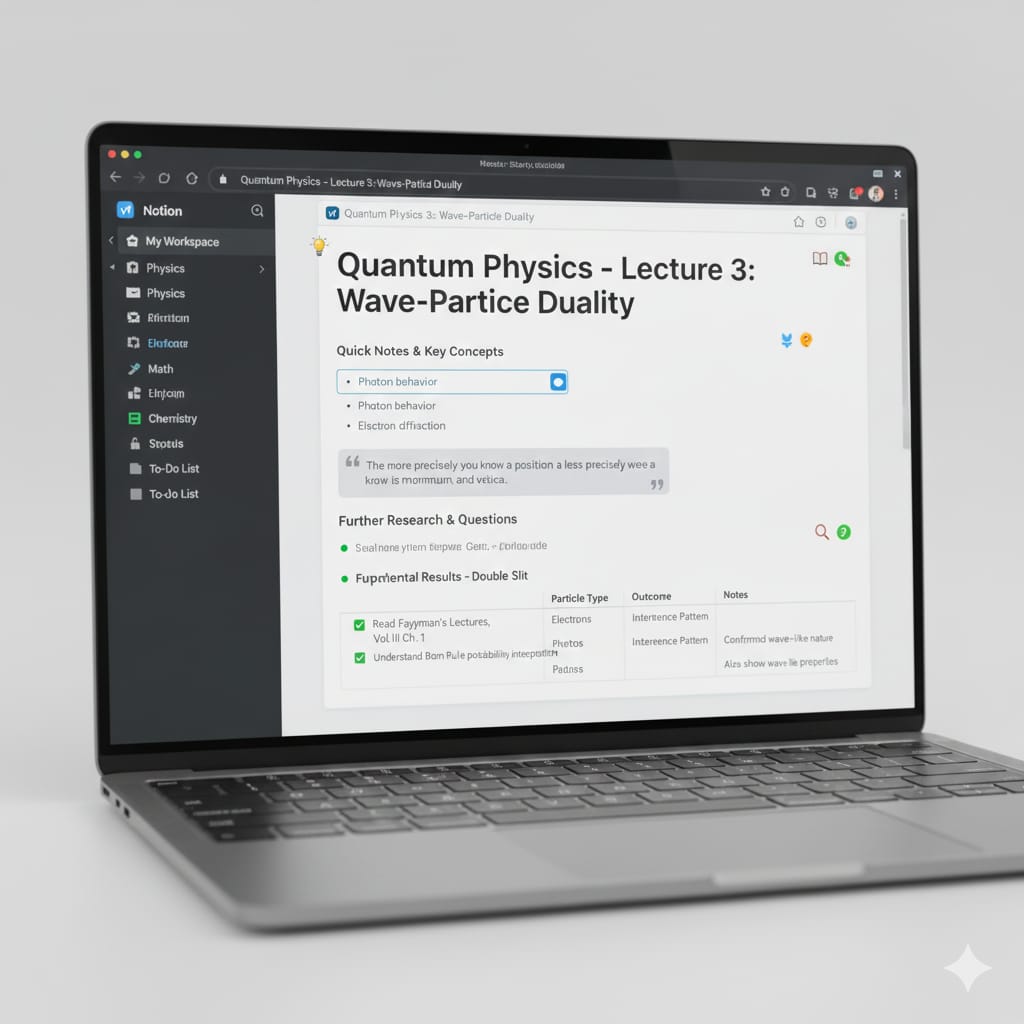
One of the most important must have tech tools for students is a powerful digital workspace. Notetaking has evolved far beyond simple text documents. Platforms like Notion, Microsoft OneNote, Evernote and GoodNotes allow students to build fully customized learning systems

Key Features That Make This Tool Essential

  1. AI features that summarize notes automatically
  2. Calendar and planner templates
  3. To-do list and assignments trackers
  4. Subject-based organization
  5. Ability to embed lecture slides, links, videos, PDFs
  6. Cloud synchronization for access on laptop, phone, and tablet

Benefits For Today’s Students

  1. Keeps all content in one place
  2. Encourages better time management
  3. Helps avoid missed assignments or due dates
  4. Eliminate the clutter of pyhsical notebooks
  5. Makes revision easier with searchable notes

3. Cloud Collaboration suites

In 2025, cloud-based collaboration tool are no longer optional they are absolutely must have tech tools for students in both in-person and online learning environments.

Platforms like Google Workspace and Microsoft 365 allow students to communicate, edit documents together in real time, and access shared documents without having USB drives or multiple apps. Learning management systems like Canvas and Schoology also integrate seamlessly with those tool

Why Collaboration Tools Matter

  1. Real-time document editing
  2. Organized class materials and assignments
  3. Cloud storage
  4. Communication hubs for teachers and students
  5. Built-in video conferencing

For Students Who Works in Groups

  1. Easy submission of assignments
  2. Shared calendars for planning
  3. Comment-based editing
  4. Shared slide decks

4. AI Productivity & Study Enhancers(Quizlet AI, Grammarly, Research Assistants)

AI powered study enhancers take learning to a whole new level, making them among the most valuable must have tech tools for students this year

Top Tools In 2025:

1. Grammarly AI – for grammar checking, rewriting, clarity improvements
2. Quizlet AI – auto-creates personalized flashcards and practice tests
3.Zotero or EasyBib – citation and bibliography generators
4.Perplexity – research-based search engine for academic insights

What These Tools Do:

  1. Improve writing quality instantly
  2. Help students create citations without errors
  3. Generate study sets in seconds
  4. provide plagiarism checks and originality reports
  5. Offer targeted practice for exam

Students can’t do without these tools as it saves them hours every week. They help refine essays, strengthen memory through active recall, and speed up research

5. Smart Devices For Learning

Finally, no list of must have tech tools for students would be complete without hardware. Smart devices have developed considerably, becoming more affordable, powerful, and essential for modern learning.

Key Devices Students Should Consider in 2025

  1. AI-powered laptops with built-in neural processing
  2. Tablets with stylus support (iPad, Galaxy Tab, Surface)
  3. Noise-cancelling headphones for focused studying
  4. E-ink tablets for distraction-free note-taking

Why This Devices Matter

Students nowadays work across multiple environments- coffee shops, classes, dorms, libraries. Portable efficient devices offer:
1. Better multitasking
2. Long battery life
3. Smooth note-taking
4. Faster processing for AI tools
5. Improved concentration

How This Tools Improve Student’s Success In 2025

βœ“ Better organization β†’ much less stress and fewer missed deadlines
βœ“ Enhanced productivity β†’ faster completion of assignments
βœ“ Improved writing and comprehension β†’ more polished academic work
βœ“ Personalized learning β†’ AI adjusts to each student’s strengths
βœ“ Smoother collaboration β†’ ideal for group projects and remote learning
βœ“ Stronger focus β†’ fewer distractions and more efficient studying

Conclusions

The 5 most have tech tools for students in 2025 are more than just gadgets – they are crucial learning companions that enhance productivity, learning and digital confidence. Whether you are taking online classes, attending college or preparing for major exams, these tools give students the threshold they need to succeed this tech driven world.

By embracing these tools, students can stay organized, simplify complex tasks and develop the digital literacy needed for the future.