
A New Era of Computing is Coming
For deacdes, before Quantum Computing, we have relied on classical computers to power every aspect of our daily lives – from smartphones and laptops to banking systems, healthcare platforms, entertainment and global communication. But as the world becomes more complex and data grows exponentially, our current computing system are beginning to reach their limits. This is where Quantum Computing steps in.
By 2030, experts predicts that Quantum Computing will transition from laboratory experiments to real world tools that influence everything from cybersecurity to healthcare to personal AI assistants. For the average person, this technological revolution might feel as transformative as the arrival of the internet or the smartphone.
In this article, we will explore how quantum computing could change everyday computing by 2030, the innovations it will unlock, and why this emerging technology might redefine your digital life sooner than you think.
What is Quantum Computing ?
Classical computers use bits – 0s and 1s – to process information. This bits are fundamental building blocks of all digital tasks.
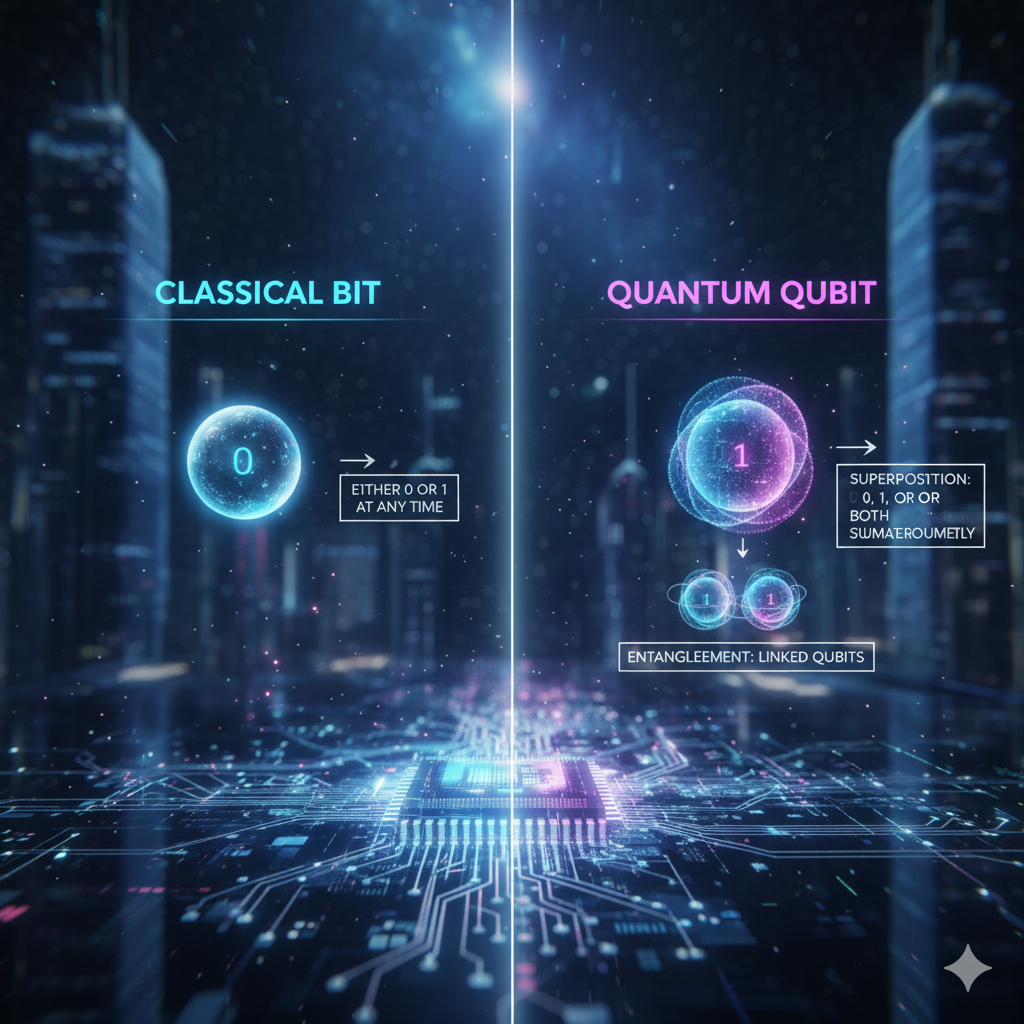
Quantum Computing, however uses qubits, which can exist as 0,1 or both simultaneously through quantum property called superposition. This means quantum computers can perform many calculations at once, massively boosting their problem solving power
Another key property, entaglement, allows qubits to be interconnected in ways impossible for classical bits, enabling quantum machines to solve highly complex problems that would take today’s fastest supercomputers thousands of years.
By 2030 , this power won’t just benefit scientist or tech giants, it will start to influence ordinary life.
1. Everyday Cybersecurity Will Become Quantum – safe
One of the first and most significant impacts of Quantum Computing will be in cybersecurity.
The Problem
Most digital security today that is banking apps, encrypted messages, Wi-Fi passwords relies on mathematical problems that classical computers cannot easily solve. However Quantum Computers could break this system once they mature.
The Quantum Safe – Future (2030 and beyond)
By 2030 we can expect:
● Quantum safe encryption for smartphones, apps and computers
● Upgraded banking and payment security systems
● New standards for government and corporate cybersecurity
● Quantum resistant VPNs and messaging serivices
2. Personal AI Assistants Will Become Faster and Smarter
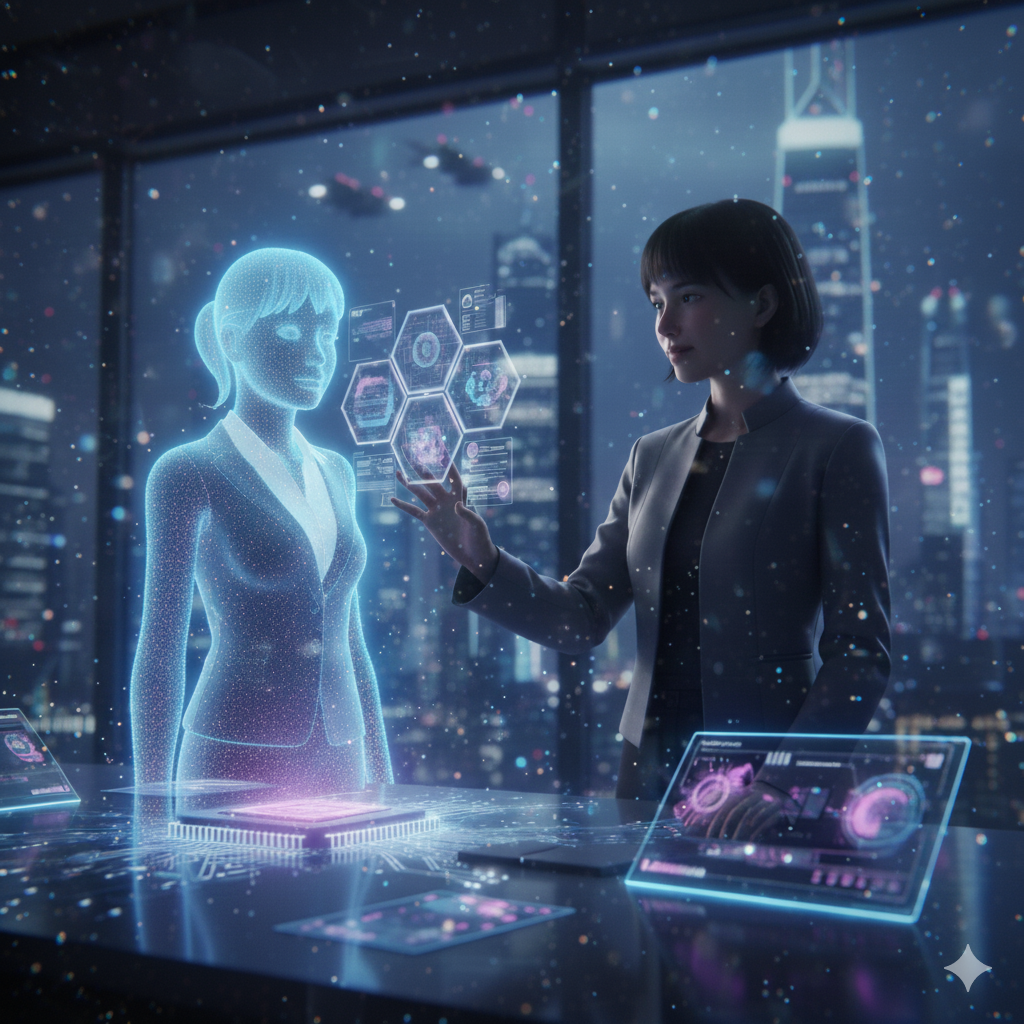
By 2030, personal AI assistants – which is now much smarter than ChatGPT, Siri, or Google assistants – will rely heavily on the advancements made possibly by Quantum Computing.
Quantum machines can process vast datasets much more efficiently, enabling:
● More accurate predictions
● Real time language understanding beyond human capability
● Instantenous data processing for complex tasks
● Deep personalization that adapts to your routines and emotions
Example of Quantum – Powered AI in 2030
Imagine an assistant that:
● Plans your entire week dynamically
● Manages finances using real-time optimization
● Learn your habits and preferences instantly
● Detects potential problems before they occur
● Understand complex emotions and responds empathetically
Quantum enhanced AI could redefined the relationship people have with technology, making digital tools feel more like companions than machines.
3. Medicine and Healthcare will Become Hyper-Personalized
One of the most promising frontiers for Quantum Computing is medicine. By 2030, this technology may fundamentally shift how we diagnose illness, create treatments and analyze patient data.
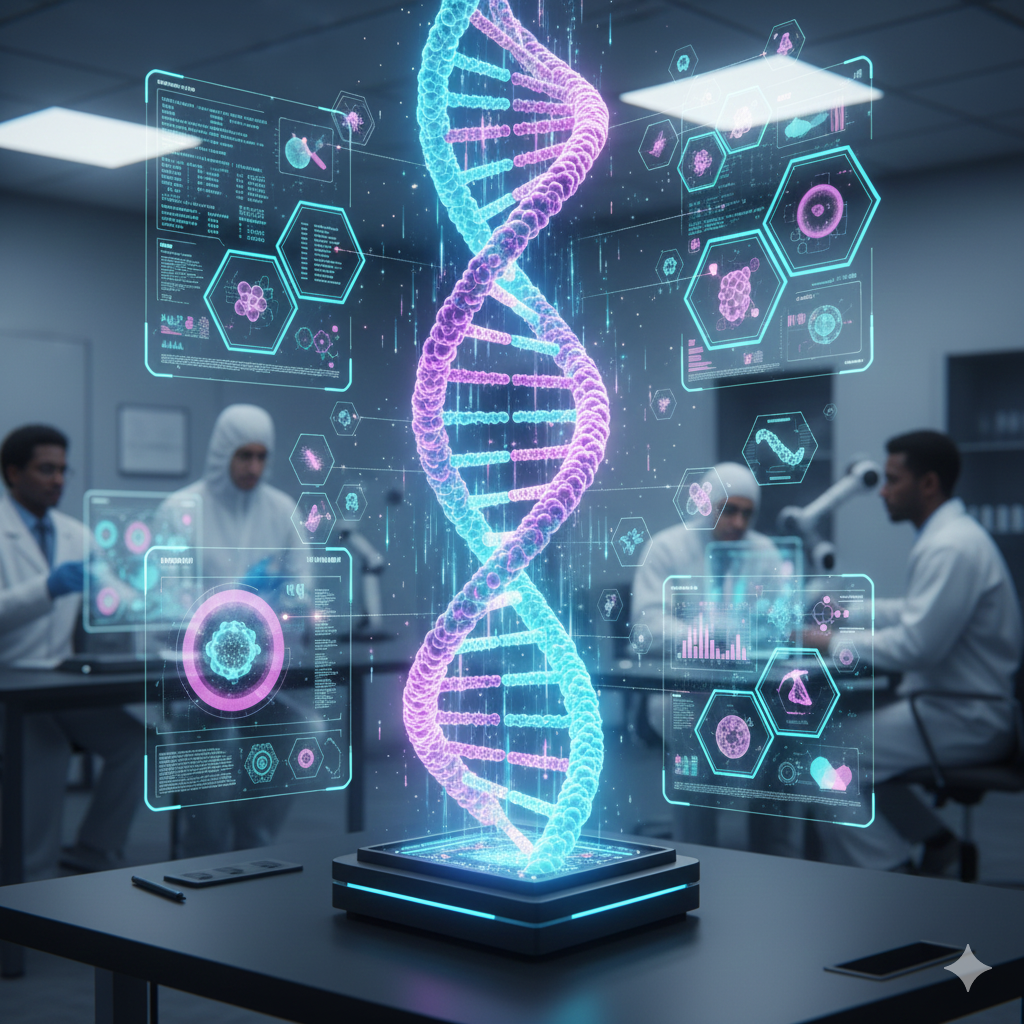
Quantum Computing in Drug Discovery
Quantum Computers can Simulate molecules and chemical reactions with incredible accuracy, something classical computers struggle with. This could lead to:
● Faster discovery of new medicines
● Personalized drug treatments dailored to individual DNA
● Breakthroughs in cancer research
● Accurate simulations of how diseases spread
Everyday Impact
● Faster vaccines and treatments
● AI generated personal health recommendations
● Wearables that predicts health issues before symptoms appear
● More accurate medical diagnoses
With Quantum Computing, healthcare could shift from reactive to proactive potentially saving millions of lives.
4. Financial Systems will Become Smarter and More Stable
Banks, stock markets and financial institutions are investing billions into Quantum Computing research. By 2030, these investments will bring dramatic changes to everyday financial services.
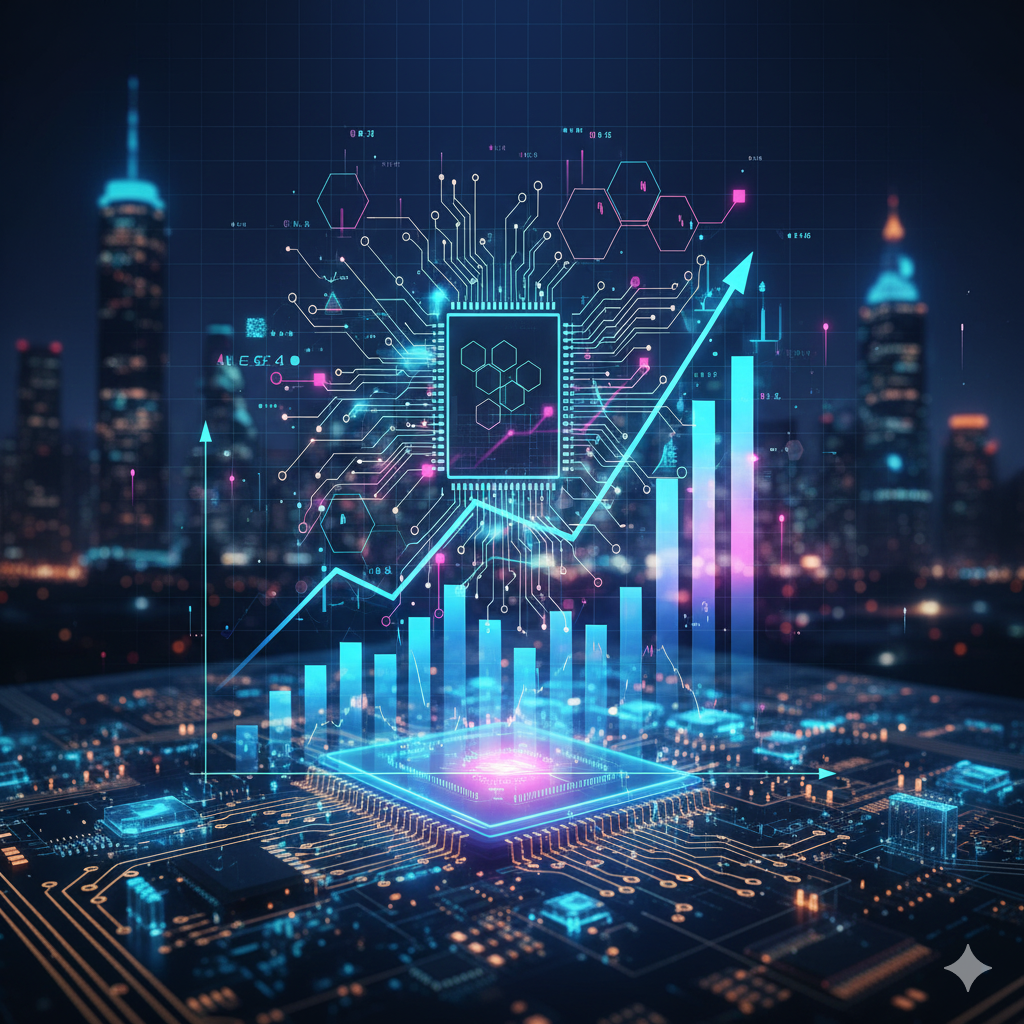
Quantum enhanced financial tools may include:
● Real time fraud detection
● Perfect portfolio optimization
● More accurate economic forecasting
● Superfast transaction processing
● New risk management algorithms
What this means for you
● Fewer credit card issues
● More stable investment marketers
● Smarter robo-advisors
● Personalized savings plans based on quantum simulations
● Minimization of financial crashes with better modelling
Quantum Finance could make global economic systems safer, more transparent and dramatically more efficient.
5. Climate Change Modelling Will Become More Accurate
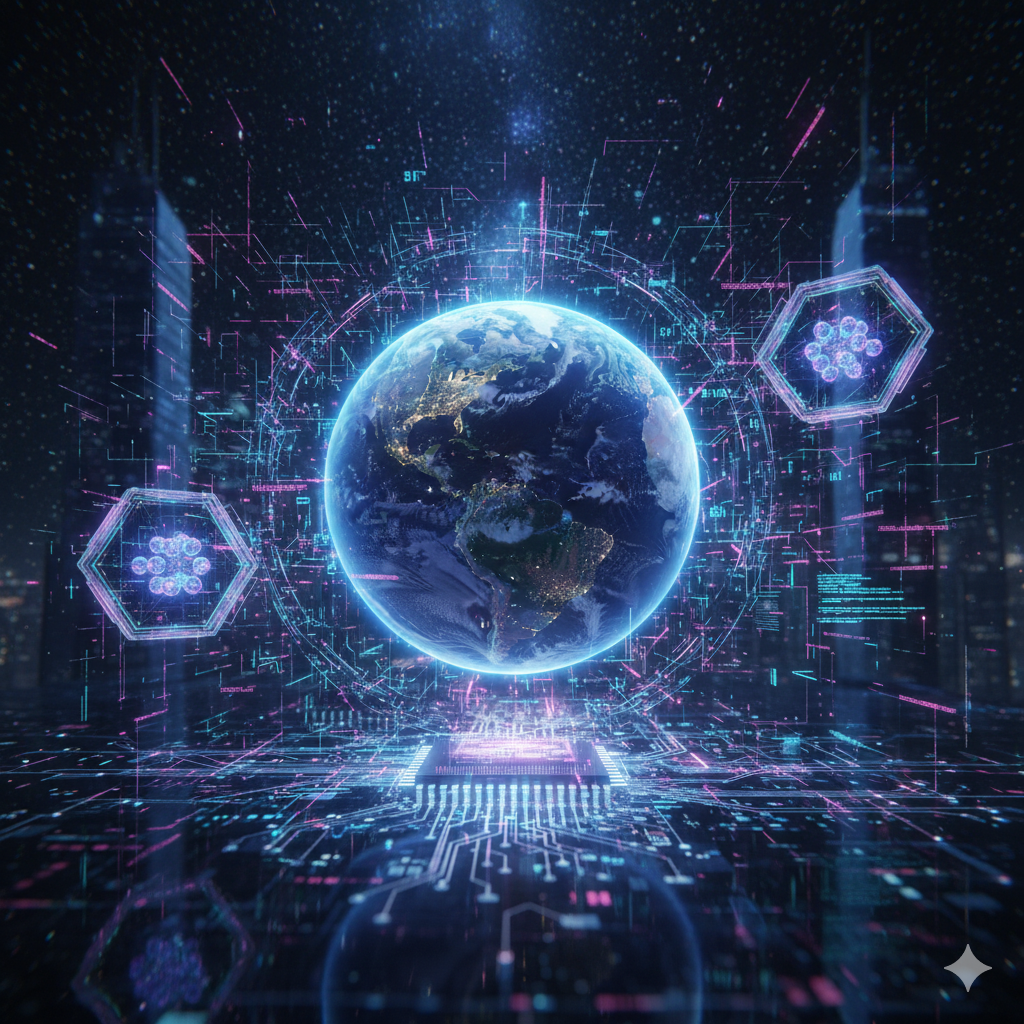
Climate science requires analyzing unimaginably large datasets, whether patterns, ecosystems, carbon cycles and environmental interactions. Even supercomputers struggle with these simulations.
By 2030, Quantum Computing could enable:
● Ultra-accurate climate forecasts
● Real-time analysis of environmental changes
● Better prediction of natural disasters
● Optimization of renewable energy systems
Everyday benefits
● Fewer blackout risks
● More efficient energy usage in homes
● Improved disaster preparedness
● Smarter city infrastructure powered by quantum-enhanced AI
Quantum Computing might become one of humanity’s strongest tools to combat climate change.
6. Transportation Will Become Efficient and Autonomous
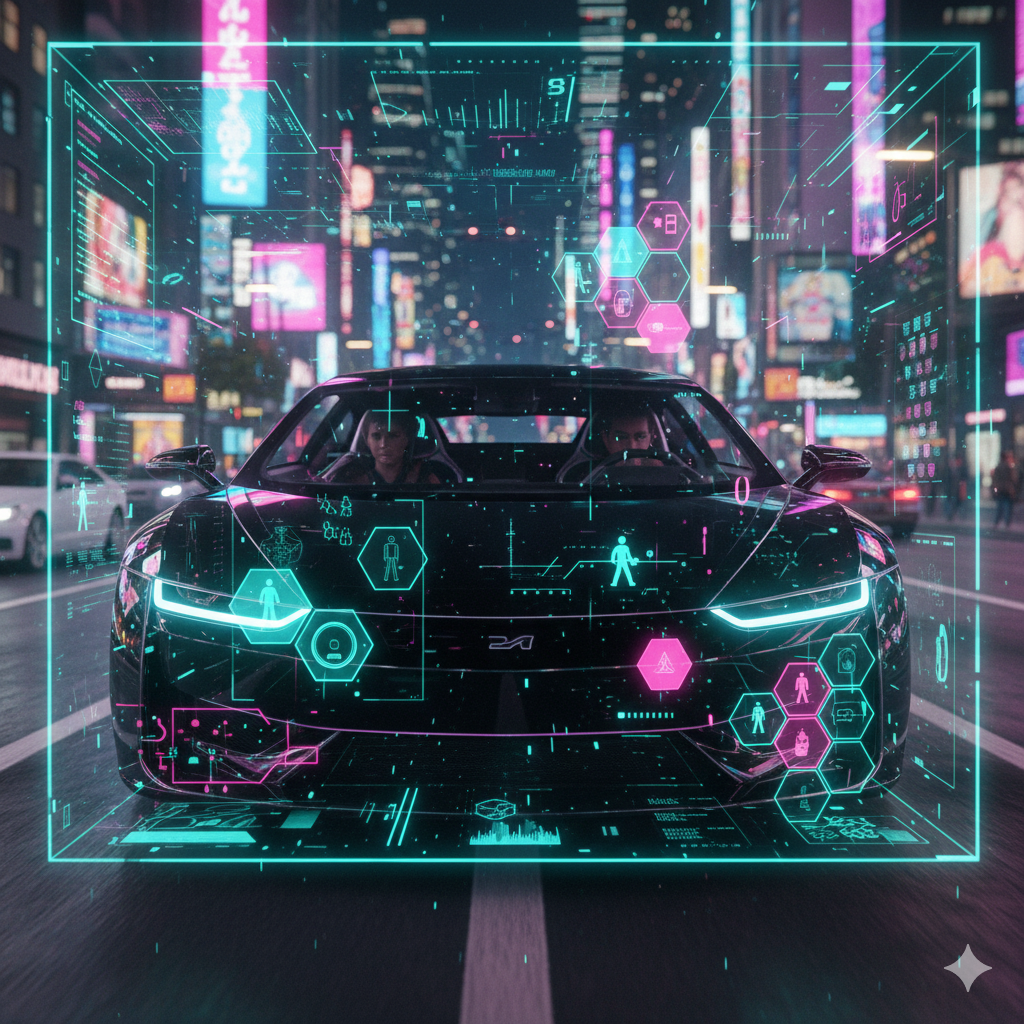
Quantum-enhanced transportation by 2030
● Fully optimized traffic flow in smart cities
● Better self-driving car decision-making
● Real-time logistics optimization for deliveries
● Faster and safer air travel
● Reduced fuel consumption through quantum simulations
Quantum Computing can manage huge datasets from sensors, satellites, maps and vehicles allowing machines to make decisions with incredible precision.
Real- life example
Your car could calculate the safest, fastest route instantly using millions of variables – traffic, weather, energy consumption and more – processed in a quantum optimized model.
7. Personalized Learning Will Transform Education
By 2030, students may interact with learning platforms powered by quantum-enhanced AI.
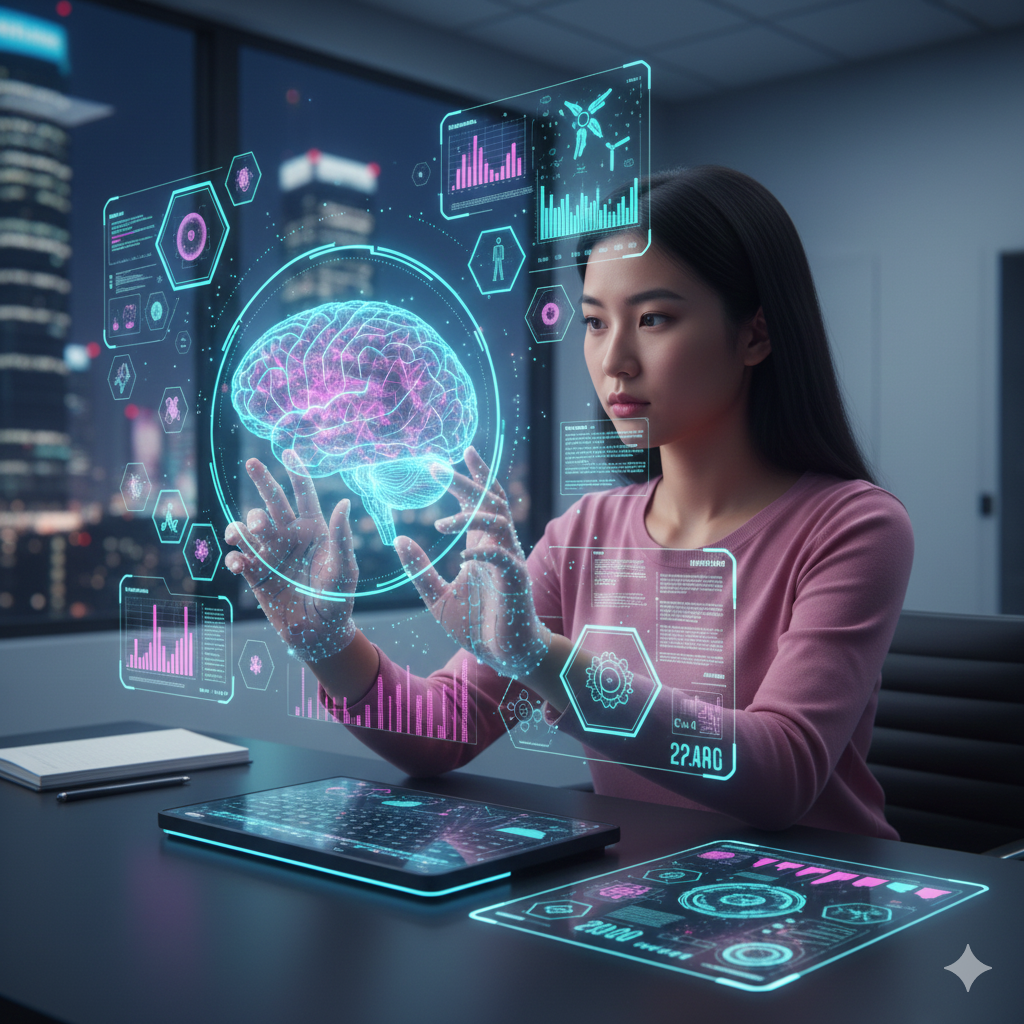
What this means
● Instant assessment of student strengths and weaknesses
● Tailored courses based on learning style
● Real-time feedback
● Acuurate career guidance based on the future job predictions
Quantum powered education systems could create a world where every learner receives a personalized path.
8. Gaming, Entertainment and Creativity Will Evolve
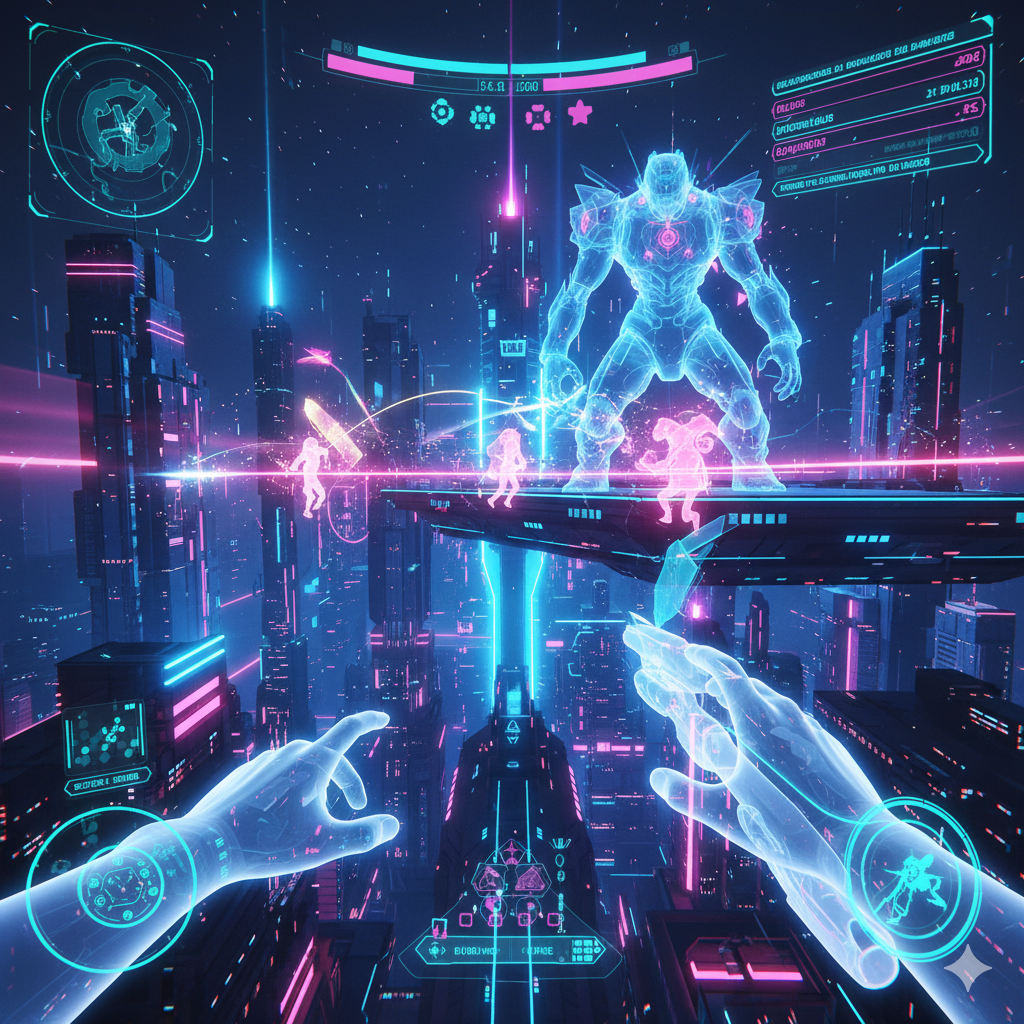
Quantum Computing will bring breakthroughs in:
● Hyper-realistic physics simulations
● True procedural generation of worlds
● Smarter non-playable characters (NPCs)
● Real-time rendering far beyond today’s GPUs
What it means for gamers
Imagine games where:
● Entire universe are simulated instantly
● AI characters evolve naturally
● Game outcomes adapt to your personality
● Physics interactions feel like the real world
Entertainment will become more immersive, creative and dynamic than ever before.
Challenges ahead before 2030
While the potential is enormous, there are hurdles:
● Quantum machines require extremely low temperatures
● Error rates are still high
● Qubit stability remains difficult
● Quantum sofware is still evolving
● Skilled workers are scarce
By 2030, we may not have fully mature quantum computers, but hybrid systems.
Conclusion
By 2030, Quantum Computing may not replace classical computers in homes or offices, but it will influence nearly every part of daily life. It will power the systems behind the apps, machines and online services we use every day.
Just as most people don’t understand how could servers or GPUs work today, many won’t understand the complexities of qubits or superposition. But they’ll feel the impact through smarter technology safer digital experiences and faster solutions to humanity’s biggest challenges.
The quantum revolution is coming. And when it arrives, everyday computing will never be the same again.
Add a Comment