


Finding the best budget laptops for students in 2025 can feel overwhelming. Prices fluctuate, new processors release every few months, and students want laptops that could handle everything – from note-taking and research to video calls, streaming, and light creative work – without breaking the bank.
We’ll break down the must-have capabilities that make a budget laptop worth your cash, from battery lifestyles that survives all-day look at sessions to processors that take care of your coursework without lag. You’ll additionally discover how extraordinary majors have precise wishes – what works for an English important may not cut it for computer science students.
Finally, we’ll share realistic money-saving techniques, such as the first-rate instances to shop for, student reductions you didn’t realize existed, and whether refurbished fashions are worth thinking about. By the end, you may know precisely what to search for and how to get the most price out of your laptop investment.
Essential features every student budget laptop must have
Relaible performance for multitasking and productivity
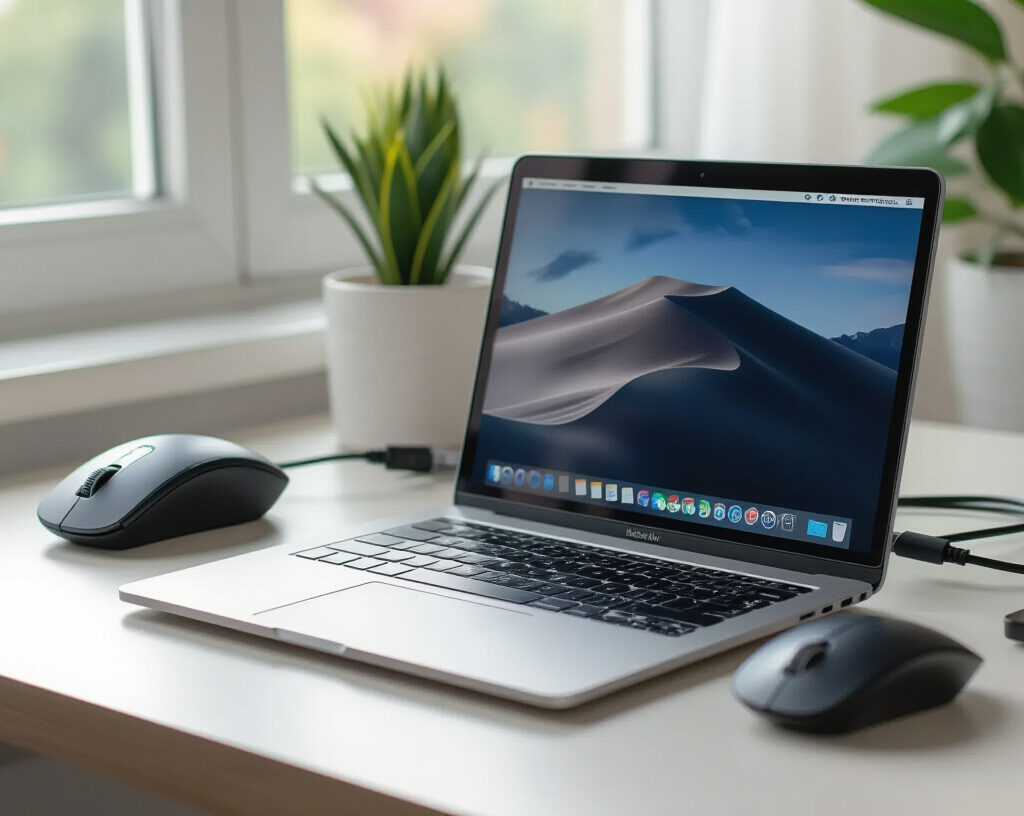
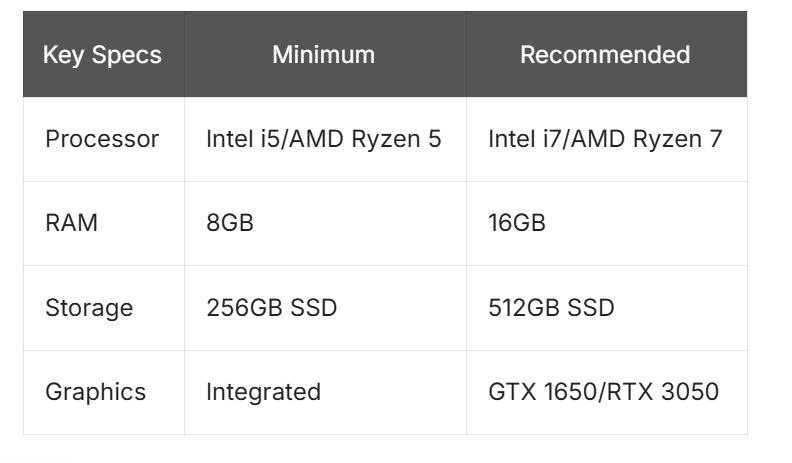
Students need laptops which can take care of multiple browser tabs, streaming lectures, word processing, and video calls simultaneously with out getting stack. A decent budget laptop must pack a minimum of 8GB of RAM and a modern processor like an AMD Ryzen 5 or Intel Core i5. These specs make certain clean overall performance when switching between research papers, on-line classes, and group project collaborations.
The processor speed matters more than you may think. When you are racing against assignment deadlines, awaiting programs to load will become frustrating. Look for processors with base clock speeds round 2.4GHz or higher. Solid-state drives (SSDs) make a huge difference in boot instances and application responsiveness as compared to traditional hard drives, even if they offer much less storage space.
Long-lasting battery life for all-day campus use
Campus life needs mobility, and hunting for power outlets between classes wastes valuable study time. A quality budget laptop should deliver 8-10 hours of real-world usage, not just manufacture claims. Battery performance varies significantly based on display screen brightness, processor workload, and background applications.
Students often underestimate how much they will use their laptops through out the day. Morning lectures, library study sessions, afternoon labs, and evening homework create non-stop utilization patterns. Fast-charging capabilities also prove vital when you only have 30 minutes between classes to grab a few extra juice.
Consider laptops with power-efficient processors like Intel’s brand new generation chips or AMD’s Ryzen collection, which balance performance with energy consumption effectively.
Adequate storage space for assignments and media
Students gather digital files quickly – lecture recordings, research papers, presentation slides, and personal media fill up storage faster than anticipated. A minimum of 256GB SSD storage handles basic needs, though 512GB provides greater breathing room for growing document collections.
Cloud storage services like Google Drive, OneDrive, or Dropbox help increase local storage, but reliable internet access is not guaranteed. Having adequate local storage prevents the pressure of constantly dealing with disk space or stressful about undertaking files when wifi goes down.
External storage alternatives like USB drives or portable hard drives provide affordable expansion, but integrated storage remains more convenient for daily use. Consider your area of examine too – engineering and design majors need more storage for software and project files as compared to liberal arts students.
Specialized Budget Laptops for Different Academic Fields

Engineering and Computer Science Students Need Processing Power
When you are compiling code or running complex simulations, a slow laptop will become your worst enemy. Engineering and computer science majors need machines that won’t crash in the course of those late-night time programming sessions or while rendering 3D models.
Look for a budget laptop with at the least an Intel i5 or AMD Ryzen 5 processor. These chips handle multitasking between your IDE, browser, and documentation with out breaking a sweat. RAM matters too – 8GB is the bare minimum, however 16GB gives you breathing room when running virtual machines or working with large datasets.
Graphics abilities deserve attention, especially for engineering students working with CAD software. While dedicated graphics cards push budgets higher, integrated graphics like Intel Iris Xe or AMD Radeon Graphics handle basic 3D modeling and programming tasks adequately.
Art and Design Majors Require Color-Accurate Displays
Your laptop screen becomes your canvas, so color accuracy can’t be an afterthought. Design students working on logos, illustrations, or photo editing need displays that show true colors, not the washed-out screens found on many cheap laptops.
Look for IPS panels with at least 72% NTSC color gamut coverage. These screens display more accurate colors than basic TN panels and maintain consistent viewing angles. Screen size is also important – 15.6 inches gives you more workspace than a 13-inch display, making detailed work more comfortable.
Touch screen capabilities add value to digital artists who want to interact directly with their designs. Stylus support turns your budget laptop into a basic drawing tablet, although dedicated graphics tablets still offer better accuracy for serious illustration.
Battery life becomes crucial when you’re bouncing between studio spaces or working in the library. Look for laptops that promise 8+ hours of actual usage. Art software can drain batteries quickly, so having backup power keeps the creativity flowing.
Storage needs to be a special consideration as design files consume significant space. A 512GB SSD provides enough space for Adobe Creative Suite, project files and system operations without constant file management headaches.
Money-Saving Tips for Student Laptop Purchases

Take Advantage of student discounts and educational pricing
Student discounts can slash hundreds of dollars off your budget laptop purchase. Most predominant manufacturers like Apple, Dell, HP, and Lenovo provide distinct educational pricing that’s regularly 10-15% below retail prices. These discounts are not just for tuition payments – they apply to laptops, software, and accessories too.
Start by checking your school’s bookstore website, as many universities partner directly with manufacturers to offer deeper discounts than what is available to the general public. Microsoft’s Education Store, Apple’s Education pricing, and Dell’s Student Purchase Program are excellent starting points. You’ll generally need a valid .Edu e-mail address or student ID to verify your status.
Don’t overlook smaller retailers either. Best Buy’s Student Deals application and Amazon Prime Student both offer rotating laptop discounts that can stack with manufacturer promotions. Some credit unions and membership corporations also negotiate special rates for students.
Consider certified refurbished models from reputable sellers
Certified refurbished laptops provide premium features at price range laptop costs, often saving you 20-40% as compared to new models. These machines undergo rigorous testing and come with warranties that rival new products.
Stick to manufacturer refurbishment programs like Dell Outlet, HP Renew, or Lenovo Outlet rather than third – party sellers. These programs replace worn components, update software, and include original accessories. Many refurbished laptops are actually consumer returns that have been never used or corporate lease returns that received amazing care.
Business-grade refurbished models like ThinkPads or Dell Latitudes often provide better build quality than new consumer laptops at similar price points. Check the refurbishment date and warranty details before buying, and confirm the return policy matches new product standards.
Conclusion
Finding the right budget laptop as a student does not have to break the bank or leave you stuck with a machine that can’t deal with your coursework. The key is focusing on important features like solid battery life, enough RAM for multitasking, and a reliable processor that may grow along with your academics needs.
Different fields of study have their own requirements too – whether you are editing videos for a media arts software or running statistical software for research, there is a budget-friendly option that suits your specific academics demands.
Add a Comment